Skin in the Magic Game
Skin in the Magic Game
Max and LuLu reclaim magic from costumes and spectacle: not command over nature, but a slow-earned intimacy with life—requiring willingness, risk, and a choice about where power is placed.
Before the Pointy Hats
Max: This recording is brought to you by Mermaid Killer.
I’m just kidding.
Brought to you by magic.
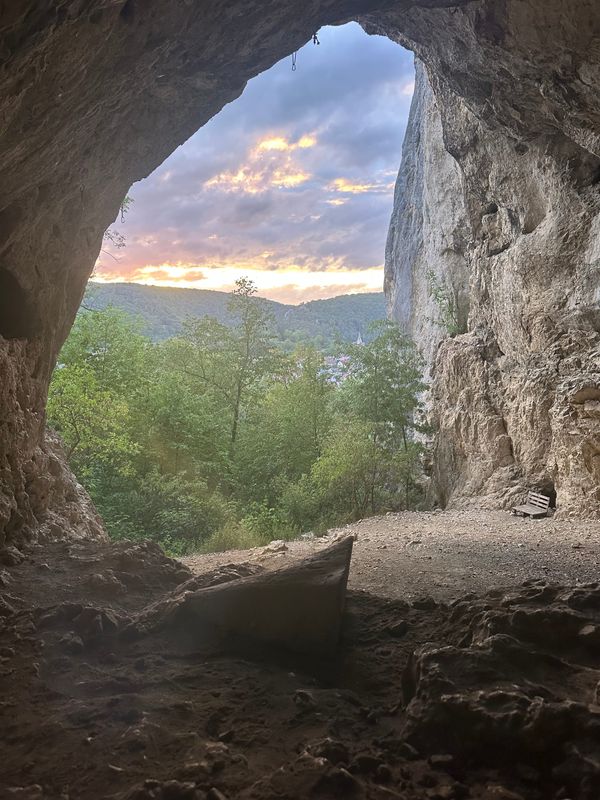
We are leaving Munich, and I just had a revelation of magic and the importance of it.
Magic was real. It’s just painted funny, because people probably attached ideas to it—wizards and witches and all sorts of things.
But there were no clothes. People didn’t have clothes and pointy hats and things back then. For ninety percent of humanity there were no clothes, no pointy hats, no swords.
A wizard was a monkey—but what we would call a monkey. And those were probably hyper-fucking-intelligent.
The ones that we find are covered in cloth and have simple stone tools because you probably needed tools if you couldn’t figure something out. You needed the tools because you couldn’t adjust your body to what was needed.
Spider has joined into this course.
There were dragons. There were [unclear] who would start fires and shift weather. There was a creative playground.
There weren’t very many people here. That’s what I think is confused. Something hundred thousand—that’s a tiny city now, globally.
You were totally alone, basically, on the world, as you chose company. And we were just shifting the world and being in a playground, making it.
Maybe we’re all the souls that didn’t quite make it in time or something, and this is just the end of the weather reset. You’ve got to switch over to the other world soon. You’ve got to make the other side.
Maybe Lydia and I had already made it, but we wanted to come back. There were a couple of things we didn’t learn quite fully yet. We came back in when it would be fun—when it felt like a photo finish, like a buzzer-beater, last-second intensity.
Boom. Bang. Wow.
The Quiet Form of Power
LuLu: It is weird to see how modern humanity has interpreted their understanding of magic, wizards, and witches. It’s a very electrical idea of what it is.
It becomes so clear that people couldn’t fathom or understand how people like that could do something like that: to see someone who has—and I wouldn’t say control over the weather—but who is one with the weather.
So they can summon the weather as if it’s part of their body. They can summon an earthquake because the earth was part of their body.
And people think they got that power by chance again, but that’s an electrical thing—by saying some magic words and playing with light in a weird way.
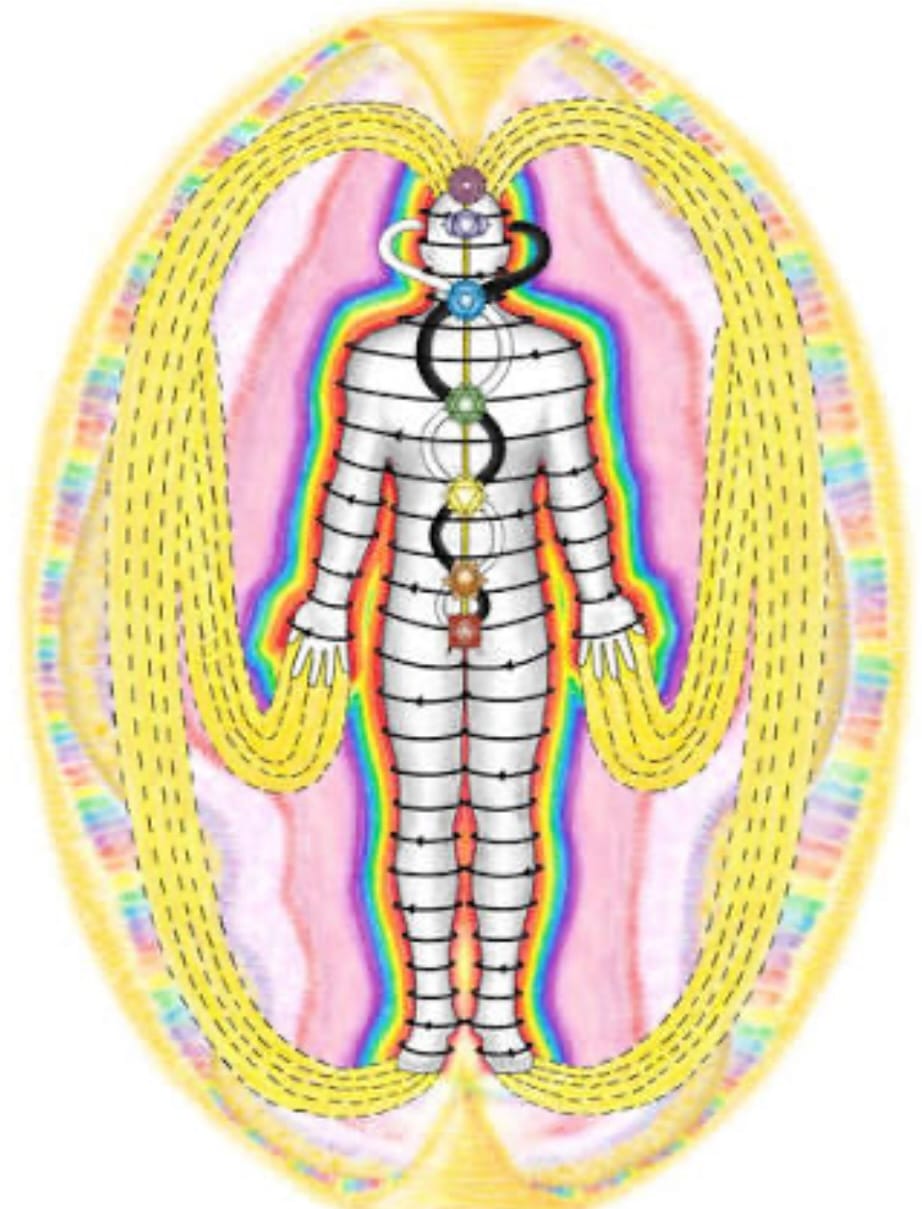
It’s such a radically different understanding to think: no, they did this because they were perfectly in sync with the power that moves everything in life.
It was indistinguishable from their own body.
It’s this very quiet power, but also power that developed very slowly.
The power that exists in civilisation is a very fast power. If you want power, you can go buy an automatic weapon and some really powerful computer and some kind of communication device that’s outside of your body.
That gives you this false, illusory ability that exists in your own body.
But it takes years to cultivate this relationship. That’s what intimacy with something is: this powerful relationship, this intimacy with the fabric of life itself, where you weave yourself back into it so now it’s part of your consciousness.
Willingness Is the Activation
Max: I think what came to me is about willingness.
If you’re willing to do the thing, that’s like the activation. And then will is what needs to be done after.
But it does start with willingness.
Willingness is like putting your money in the machine, and then will is like pressing the button to decide which path you’re going to take or what option you’re going to choose.
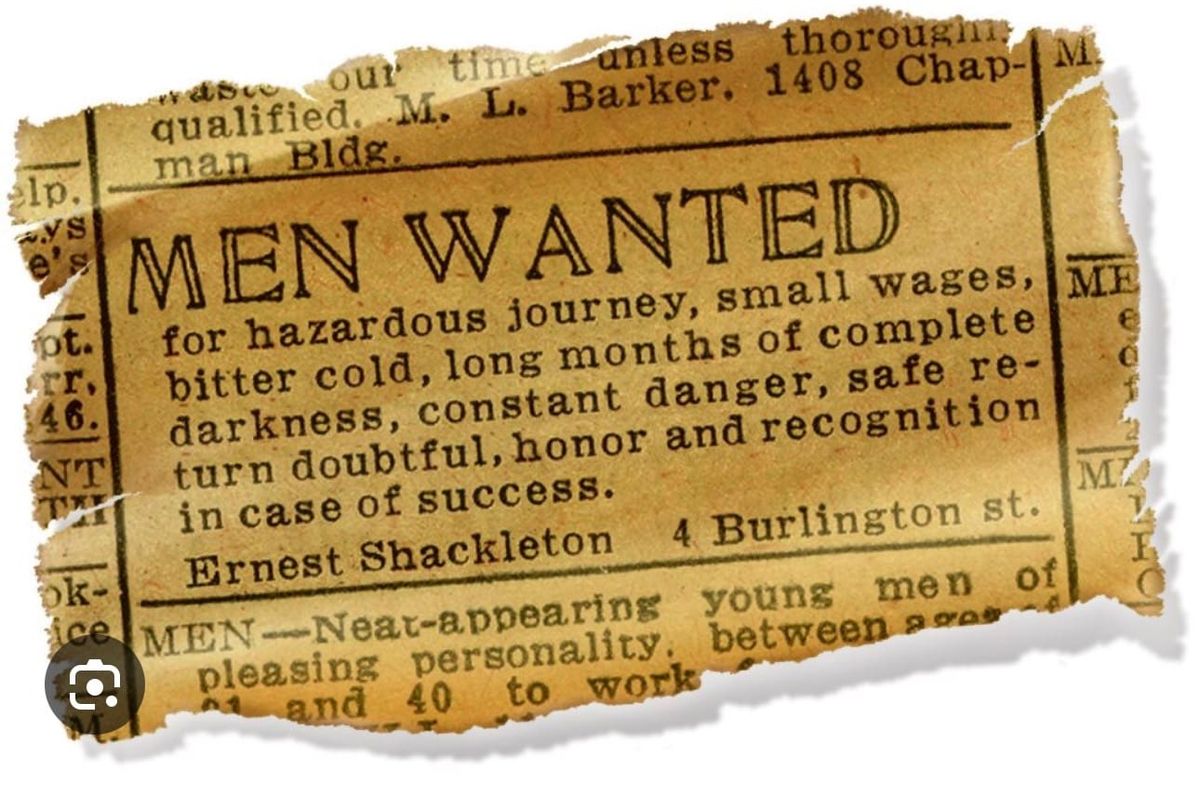
But you have to have an investment. You have to have skin in the game. You have to have risk.
Life responds to risk in that way.
The Choice of Civilization
Lulu: It’s always a choice. This was the thing being communicated to me as we were on the bus, and previously before.
Every choice that we make to be a part of—and to choose—the power of civilisation over the power of nature, we reduce our power of nature by some percentage.
It’s this ratio thing. If you’re eighty percent in the power of civilisation, you’ve only got twenty percent of nature’s power. And that’s already a lot.
But most people are at fucking 99.9 percent power in civilisation versus power of nature.
Max: Uncivilisation—leaving civility and entering into barbarism of externalisation of potential—it’s like having a pencil in your hand to write with and instead stabbing yourself with it and using the blood to paint with.
That’s what people are doing when they externalise their power. They’re totally ignoring the tool and then bludgeoning themselves and hurting themselves to get results.
That doesn’t make sense.
Which is also a reverse analogy, because better than writing with a pencil is probably to write with your blood on the wall. I get that. But I think you understand my point.
Lulu: It would be like, instead of using your power of speech to communicate something, turning on a machine and having it communicate that thing for you.
It would be like typing it into a computer and having the computer talk for you, rather than using the power of your thyroid gland to communicate principle and idea.
Every Choice Is a Gift
Lulu: This phrase kept coming to me:
Everything that we engage with is some kind of gift.
Every time you choose to be in a toilet, you choose the gift of the city sewer.
Every time you choose to pee on the Earth, you choose the gift of Earth.
That’s the trade-off that we’re having.
The analogy that was given to me of choosing the power of nature versus choosing the power of civilisation is choosing to trade a slice of fruit for a fruit tree that will harvest fruit for you for your entire life.
That’s the trade that people are giving right now. (People are giving up the opportunity to have a fruit tree and are instead only reaching for the slice of fruit)